2026 Hinglish Guide to Return to Player Percentage
Sochiye aap ek casino game ki details dekh rahe hain. Ek game ke saamne 96% RTP likha hai, doosre ke saamne 97%, aur teesre par 98%. Aankh seedha 98% par rukti hai. Dimag bolta hai, “Bas, ye wala better hoga.”
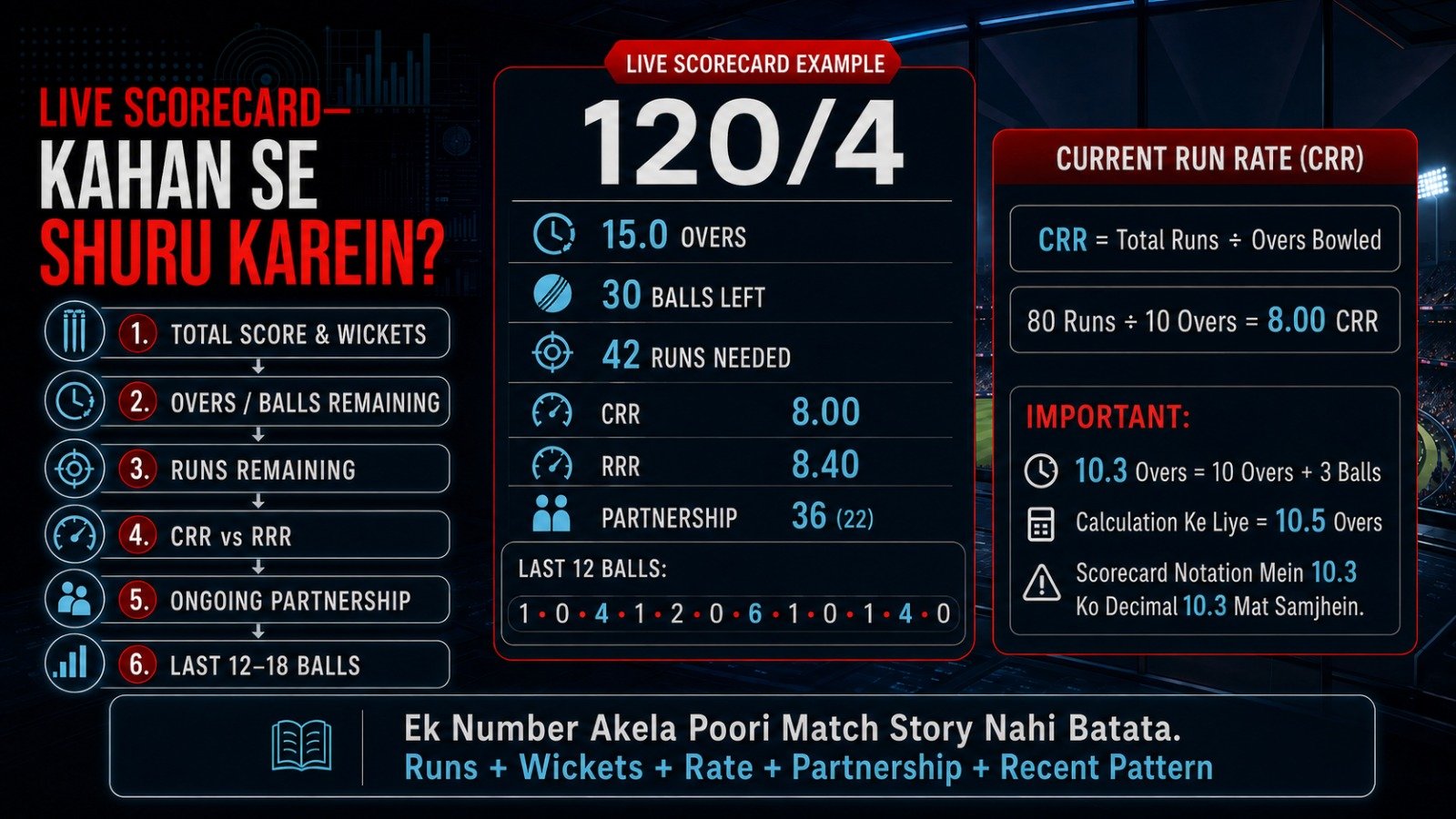
Lekin yahin par ek chhota sa twist hai. RTP ko sirf ek percentage samajh lena aisa hai jaise cricket scorecard dekh kar poore match ka result guess kar lena. Number useful hai, lekin uska context samajhna aur bhi important hai.
Is 2026 Hinglish guide mein hum Casino RTP ko zero se samjhenge — RTP ka full form kya hai, 96%, 97% aur 98% ka actual meaning kya hai, house edge aur volatility se iska kya relation hai — aur sabse important kya: high RTP ka matlab guaranteed win hota hai? Answer: nahi.
Casino RTP Kya Hota Hai?
Casino RTP, ya “Return to Player,” ek theoretical percentage hai jo long term mein kisi game ke designed payout behaviour ko describe karta hai. Simple words mein, agar kisi game ka RTP 96% hai, to bahut bade number of plays ke statistical level par game ka theoretical return 96% ke around ho sakta hai. Ye kisi ek player ya ek session ke liye promise nahi hai.
Example ke liye, 96% RTP ko ek simple illustration ki tarah samjhein: agar hypothetical long-run wager amount ₹100 ho, to theoretical return ₹96 ke around represent kiya ja sakta hai. Remaining mathematical difference house edge se related hai. Real play mein ₹100 laga kar exactly ₹96 wapas milna zaroori nahi hai.
Important: RTP ko individual-session refund percentage mat samjhiye. Ye statistical, long-term concept hai, not a personal payout guarantee.
RTP Ka Full Form Kya Hai?
RTP ka full form hai “Return to Player.” Iska purpose simple hai — game ke long-run theoretical payout ko percentage ke form mein express karna.
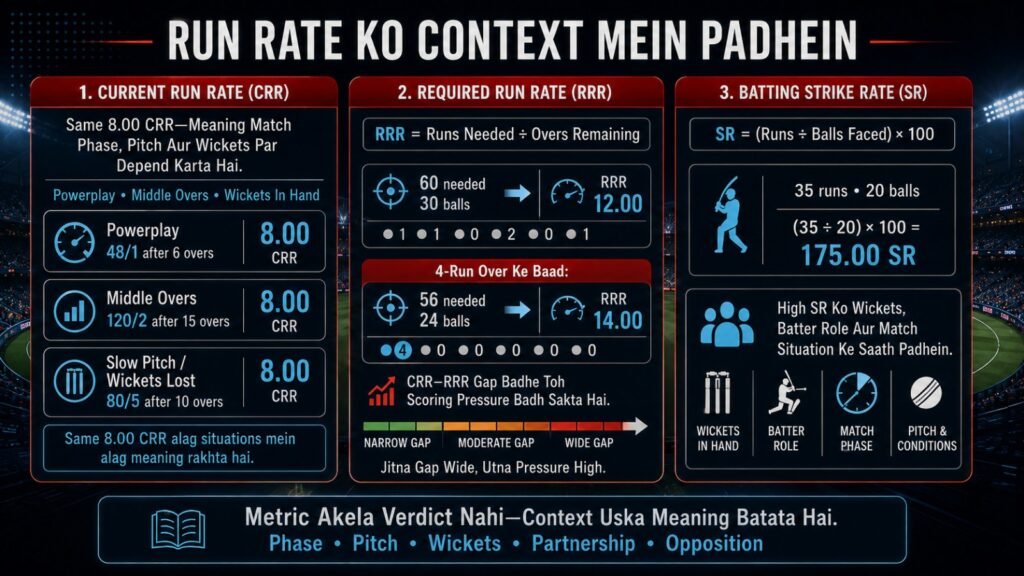
Agar game ka RTP 98% hai, toh iska matlab ye nahi ki har player ko har ₹100 ke baad ₹98 wapas milega. RTP ka number large-scale mathematical expectation ko describe karta hai. Ek individual session mein actual result is theoretical figure se kaafi alag ho sakta hai.
96% RTP Ka Actual Meaning Kya Hai?
96% RTP ka matlab hai ki game ka theoretical long-term return rate 96% hai. Isse 4% ka mathematical difference house edge se related hota hai — assuming RTP aur house-edge definitions directly complementary hain us game ke liye.
Ek easy illustration: ₹100 ko ek single guaranteed transaction ki tarah mat dekhiye. Instead imagine a very large theoretical pool of wagers. 96% RTP ka number us large-scale model mein roughly ₹96 theoretical return per ₹100 wagered ko represent karta hai. Actual outcomes random ho sakte hain.
Isliye “96% RTP = mujhe ₹96 milenge” galat reading hai.
Better reading hai: “96% RTP game ke long-run theoretical payout behaviour ko describe karta hai.”
97% RTP Kya Hota Hai?
97% RTP ka theoretical long-term return 96% RTP se one percentage point higher hai. Simple comparison mein 97% RTP ka corresponding mathematical house edge 3% hota hai, jab dono measures ek hi game framework mein complementary terms hain.
Lekin one percentage point ka difference short session mein automatically visible nahi hoga. Aapka actual result random outcomes, game mechanics aur variance ki wajah se theoretical average se bahut upar ya neeche ja sakta hai.
Is number ko ranking shortcut na banayein. 97% RTP ko samajhna useful hai. Usko guaranteed result samajhna useful nahi hai.
98% RTP Ka Real Meaning Kya Hai?
98% RTP ka theoretical long-term return rate 97% se higher hai, aur complementary house-edge model mein difference 2% hota hai. Phir bhi 98% RTP ko “98% winning chance” samajhna incorrect hai.
RTP aur probability of winning exactly same cheez nahi hain. Ek game ka RTP uske designed payout behaviour ko describe karta hai — individual outcomes kab aur kitne size ke honge, ye alag question hai.
Isliye 98% RTP ko simply “best winning game” bolna mathematically careless hoga. Higher RTP useful piece of information ho sakta hai, lekin ye aapke next spin, hand ya round ka exact result nahi batata.
96% vs 97% vs 98% RTP: Simple Comparison
| RTP | Theoretical Return | Illustrative House Edge | What It Does NOT Mean |
|---|---|---|---|
| 96% | 96% long-term theoretical return | 4% | Every ₹100 gives ₹96 back |
| 97% | 97% long-term theoretical return | 3% | 97% winning chance |
| 98% | 98% long-term theoretical return | 2% | Guaranteed profit or payout |
Note: House-edge figures ek simplified illustration hain. Actual game disclosures aur rules ko hamesha check karein.
RTP Kaise Kaam Karta Hai?
RTP ko samajhne ka easiest way hai “long run” ko yaad rakhna. Imagine thousands ya millions of theoretical game outcomes. RTP un outcomes ke overall designed payout behaviour ko percentage mein express karta hai.
- Game ka RTP percentage identify kiya jata hai.
- Game ke rules aur payout structure theoretical return ko shape karte hain.
- Bahut large number of plays par actual aggregate results theoretical RTP ke around move kar sakte hain — lekin exact match guaranteed nahi hota.
- Ek short session ka result is long-run figure se kaafi different ho sakta hai.
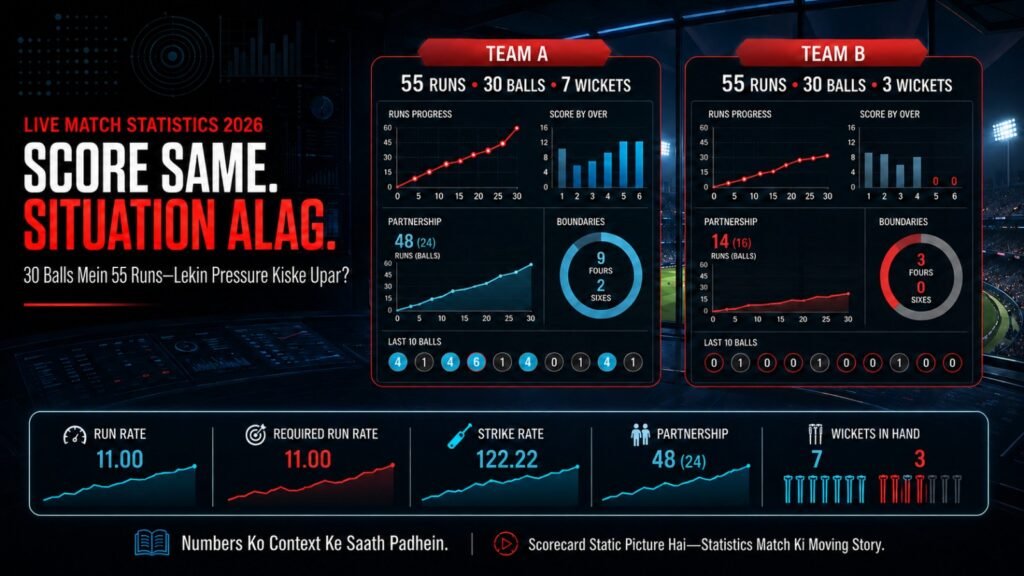
RTP ko ek weather forecast ki tarah samajhna bhi helpful hai: forecast useful information deta hai, lekin ek specific minute mein exactly kya hoga, uski guarantee nahi deta. RTP bhi individual next outcome ka crystal ball nahi hai.
RTP Ka Long-Term Concept Samjhein
“Long term” RTP discussion ka key word hai. Agar aap sirf kuch rounds dekhte hain, sample bahut chhota hota hai. Random variation ka effect strong ho sakta hai. Isliye short session ka result 96%, 97% ya 98% RTP ko visibly “prove” nahi karta.
For example, ek hypothetical game mein kuch rounds unexpectedly high payouts de sakte hain, aur kuch rounds mein koi meaningful return na aaye. Dono situations theoretical RTP ko automatically change nahi karti.
RTP ko historical personal result ke saath confuse karna common mistake hai. Aapka last session profitable tha ya loss-making — isse kisi game ka published RTP automatically change nahi hota.
Kya High RTP Ka Matlab Guaranteed Win Hota Hai?
Nahi. High RTP guaranteed win nahi deta. RTP ek theoretical long-term payout measure hai, not a guarantee of individual player’s next result.
98% RTP ka matlab 98% probability of winning bhi nahi hai. Probability, payout size, hit frequency aur volatility alag concepts hain. Ek player ko ek short session mein unusual result mil sakta hai, even when the game has a stable published RTP.
Agar koi headline kehti hai “98% RTP means easy wins,” to us claim ko carefully dekhein. Better approach hai number ko context ke saath samajhna: game rules kya hain, volatility kya hai, payout structure kaisa hai, aur RTP kis version ya configuration ke liye stated hai?
RTP vs House Edge: Sabse Simple Difference
RTP aur house edge closely related concepts hain, lekin language different hai. RTP player-side theoretical return ko percentage mein describe karta hai, jabki house edge casino-side mathematical advantage ko represent karta hai.
Simple complementary illustration: 96% RTP ke saath 4% house edge, 97% RTP ke saath 3%, aur 98% RTP ke saath 2% ho sakta hai — provided same mathematical framework applies.
Easy memory trick:
- RTP asks: “Theoretical long-run return kitna hai?”
- House Edge asks: “Mathematical house advantage kitna hai?”
Dono ko individual-session outcome samajhna mistake hoga.
RTP vs Volatility: Dono Same Nahi Hain
RTP aur volatility ko ek hi cheez samajhna ek common confusion hai. RTP long-term theoretical return ko describe karta hai. Volatility, broadly speaking, outcomes ke size aur frequency ke pattern ko describe karne mein help karti hai.
Do hypothetical games ka RTP similar ho sakta hai, lekin unka feel different ho sakta hai. Ek game mein smaller payouts more frequently appear kar sakte hain, jabki doosre mein outcomes less frequent but potentially larger ho sakte hain. Exact behaviour game ke rules aur design par depend karta hai.
Isliye sirf RTP percentage dekh kar complete picture nahi milti. RTP ek important data point hai, aur volatility doosra point.
RTP Aur Short-Term Results Mein Kya Difference Hai?
Short-term result aapke limited number of rounds ka actual outcome hai. RTP long-term theoretical model ka percentage hai. Dono ko compare karna tabhi useful hai jab aap samjhein ki short samples random variation se heavily affected ho sakte hain.
Suppose ek hypothetical player ek short session mein expected se zyada return dekhta hai. Iska matlab ye nahi ki game ne suddenly higher RTP offer kar diya. Isi tarah low short-term return ka matlab ye nahi ki published RTP number “fake” ho gaya.
The key is scale aur statistics. RTP ko personal guarantee nahi, mathematical information ki tarah read karein.
Game Context: RTP Har Game Mein Same Kyun Nahi Hota?
Different casino games — aur even different versions of a similar game — can have different rules, payout tables, configurations, or mathematical models. Isi wajah se RTP figures vary kar sakte hain.
- Slots mein: RTP commonly game-level information ke roop mein diya ja sakta hai.
- Table games mein: Rules, paytable structure, number of choices aur specific game version matter kar sakte hain.
- Live casino products mein: Exact rules aur game configuration dekhna important hai.
Poker ko simple casino RTP comparison mein directly place karna bhi careful qualification maangta hai, kyunki poker ka player-versus-player structure traditional house-edge model se different ho sakta hai. Teen patti aur multiplier-style games ko bhi unke specific rules aur published information ke context mein samjha jana chahiye.
Casino Game Choose Karte Waqt RTP Ke Alawa Kya Dekhein?
- Published RTP ko check karein aur dekhein ki woh kis game/version par apply hota hai.
- Game rules aur payout table padhein — sirf headline percentage par depend na karein.
- Volatility ya risk profile ki available information ko samjhein.
- RTP ko winning guarantee ya short-term prediction tool na samjhein.
- Apna entertainment budget pehle decide karein aur us limit ke andar hi rahen.
- Bonuses aur platform features ko game mathematics se alag samjhein.
- Un claims se bachhein jo guaranteed profit, sure win ya secret RTP advantage ka promise karte hain.
RTP Ke 7 Common Myths: Myth vs Reality
| Myth | Reality |
|---|---|
| 98% RTP ka matlab 98% winning chance hai | RTP theoretical long-term return ko describe karta hai; winning probability aur payout structure alag concepts hain |
| Har ₹100 par exactly ₹98 return milega | RTP individual transaction ya session ka fixed refund nahi hai |
| High RTP means guaranteed profit | Higher RTP alone individual profit guarantee nahi karta |
| RTP har session mein reset hota hai | Published RTP ko personal session meter ki tarah read nahi karna chahiye |
| RTP aur volatility same hain | RTP long-term return metric hai; volatility outcomes ke pattern aur size ko describe karti hai |
| Last few rounds se next round ka RTP predict ho sakta hai | Short-term history ko future individual outcome ki guarantee samajhna incorrect hai |
| Bonus percentage RTP ko change kar deta hai | Bonuses promotional/platform terms hain; inhe game’s mathematical RTP ke saath mix nahi karna chahiye |
FAQs
Q1. Casino RTP kya hai?
Casino RTP, ya return to player, game ke theoretical long-term payout behaviour ko percentage mein describe karta hai. Ye individual session ka guaranteed return nahi hai.
Q2. RTP ka full form kya hai?
RTP ka full form Return to Player hai.
Q3. 96% RTP ka matlab kya hai?
96% RTP ka theoretical long-term return rate 96% hai. It does not mean a player receives exactly 96% back in every session.
Q4. 97% aur 98% RTP mein kya difference hai?
Theoretical long-term return percentage mein one percentage point ka difference hai. Individual short-term outcomes phir bhi significantly vary kar sakte hain.
Q5. Kya 98% RTP guaranteed win deta hai?
Nahi. RTP guaranteed win, guaranteed profit ya 98% winning probability nahi deta.
Q6. RTP aur house edge mein kya difference hai?
RTP theoretical return ko represent karta hai, while house edge mathematical house advantage ko describe karta hai. Simple complementary model mein, ye 100% add up kar sakte hain.
Q7. RTP aur volatility mein kya farq hai?
RTP long-term return metric hai; volatility outcomes ke pattern, frequency aur size ko samajhne mein help karti hai.
Q8. Kya RTP short-term result predict karta hai?
Nahi. RTP individual short-term result predict karne ka tool nahi hai.
Q9. Casino game ka RTP kaise samjhein?
Published RTP dekhein, game rules aur payout table padhein, aur samjhein ki RTP theoretical long-term figure hai.
Q10. Kya high RTP hamesha best choice hota hai?
Nahi. RTP important information hai, lekin game rules, volatility, user preference aur responsible budget bhi relevant ho sakte hain.
Final Verdict: RTP Percentage Ko Smartly Kaise Samjhein?
Agar casino RTP ko ek line mein yaad rakhna ho, to simple formula hai: RTP = theoretical long-term return, not a personal winning promise.
96%, 97% aur 98% ke numbers mein mathematical difference hota hai, lekin ye numbers aapke next spin ya next hand ka result announce nahi karte. House edge RTP ka related mathematical counterpart ho sakta hai, jabki volatility ek different concept hai jo outcomes ke pattern ko samajhne mein help karta hai.
Smart reader woh nahi jo sirf sabse bada percentage dekh le. Smart reader woh hai jo percentage ka meaning, game rules, payout information aur uncertainty sab ko ek saath samjhey.
Aur ek final reminder: platform bonuses, auto deposit, auto withdraw ya promotional features ko RTP mathematics se alag rakhein. Better information ka goal guaranteed result dhoondhna nahi, balki game information ko clearly samajhna hai.
RTP ka number dekhna easy hai. Uska real meaning samajhna smarter hai.